
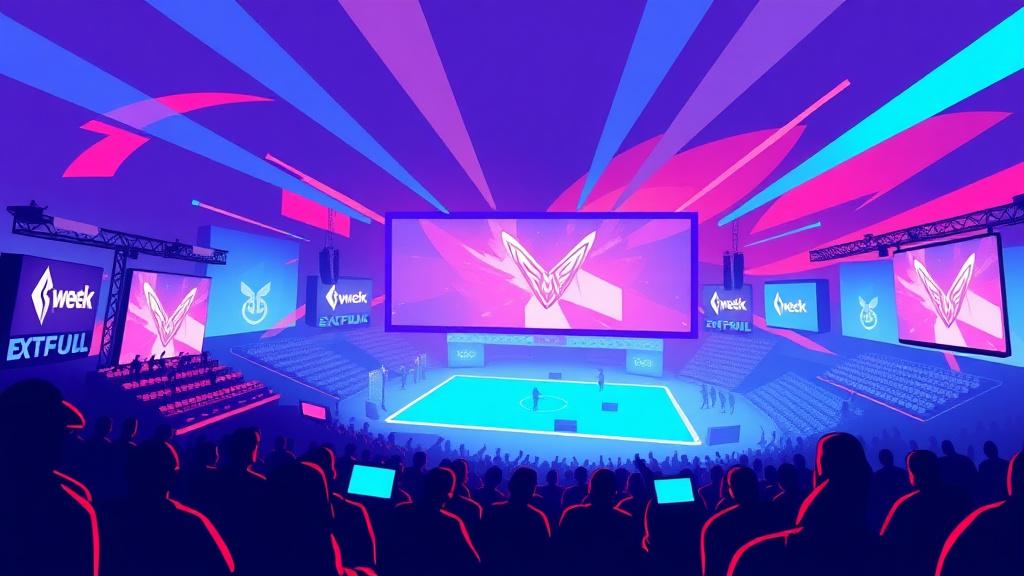
The esports industry has grown into a multi-billion-dollar entertainment sector, and streaming platforms are involved in an fierce bidding competition for exclusive broadcasting rights to major championships. As competitive gaming draws millions of viewers worldwide, companies like Twitch, YouTube Gaming, and emerging competitors are spending significantly to acquire premium programming. This article examines how these platforms battle for supremacy, the financial commitments in play, and what exclusive partnerships mean for fans, teams, and the future of competitive gaming broadcasts.
The Struggle for Gaming Broadcasting Rights
The competition for premium esports streaming rights has become one of the most fiercely contested battles in digital entertainment. Major streaming platforms are committing substantial financial resources to acquire top-tier content, recognizing that exclusive championship broadcasts drive subscriber growth and viewer engagement. The stakes are extraordinarily high, with platforms understanding that managing distribution to marquee events directly translates to industry leadership and ad revenue potential in the rapidly expanding esports ecosystem.
This rising competition demonstrates the core change in how audiences watch gaming content. Conventional media outlets now compete alongside digital-native platforms, establishing a fragmented landscape where fans need to access multiple services to watch their preferred events. The ensuing competitive bidding have substantially raised the value of transmission licenses, substantially altering the economics of esports and compelling platforms to enhance presentation, interactivity, and viewer experience to support their investments.
Market Dynamics and Strategic Investments
The battle over esports broadcasting rights has significantly altered the streaming landscape, with platforms investing unprecedented sums to secure exclusive content deals. Major championships now attract multi-million-dollar agreements, reflecting the market’s tremendous development and the significant ad revenue these events produce. Strategic investments in premium rights have become critical competitive advantages, as platforms recognize that high-quality esports programming increases subscriber numbers and engagement while securing their leadership in the gaming entertainment industry.
Competitive Platform Landscape Intensifies
Twitch sustains its leading market position, but encounters tough competition from YouTube Gaming and emerging competitors ready to allocate aggressively for exclusive broadcasting rights. These platforms acknowledge that major championship events like League of Legends Worlds and The International provide exceptional opportunities to engage dedicated gaming audiences and grow their audience. The resulting bidding wars have dramatically increased the monetary value of esports broadcasting contracts, benefiting event organizers and competitors while reshaping how audiences watch competitive gaming material across digital platforms.
Capital allocations to exclusive esports rights illustrate how seriously streaming platforms prioritize their competitive standing within the larger entertainment ecosystem. Multi-year contracts worth significant amounts of dollars signal long-term strategic commitments to dominance in esports content. These expenditures go further than distribution expenses to incorporate upgraded production capabilities, engagement tools, and superior audience experiences that differentiate platforms and support premium content pricing to ad partners and future customers looking for comprehensive esports coverage.
- Exclusive broadcasting privileges secure multimillion-dollar yearly media deals
- Platforms commit substantial resources in production quality and user experience
- Exclusive championship rights drives subscriber acquisition and loyalty
- Competitive bidding increase event organizer revenue substantially
- Strategic media investments establish platform market dominance
Upcoming Impact on the Esports Industry
The ongoing rivalry for premium esports streaming licenses is reshaping the industry’s terrain in significant manners. As digital services commit substantial capital to acquire top-tier content, we can expect faster professionalization of esports teams and tournaments. This surge in funding will probably result in higher player salaries, better production values, and broader international presence. Additionally, sole-provider arrangements may divide the fanbase across multiple platforms, requiring loyal viewers to pay for numerous platforms concurrently, substantially transforming how people watch esports programming.
Looking ahead, the consolidation of broadcasting rights among major streaming platforms could establish clear market leaders in esports entertainment. Smaller platforms may find it difficult to compete without exclusive content, potentially leading to industry consolidation. However, this competition ultimately benefits the esports ecosystem by establishing competitive gaming as popular entertainment. The continued investment signals that esports is no longer a niche market but a legitimate entertainment sector worthy of the same financial commitment and strategic importance traditionally reserved for traditional sports broadcasting.
